
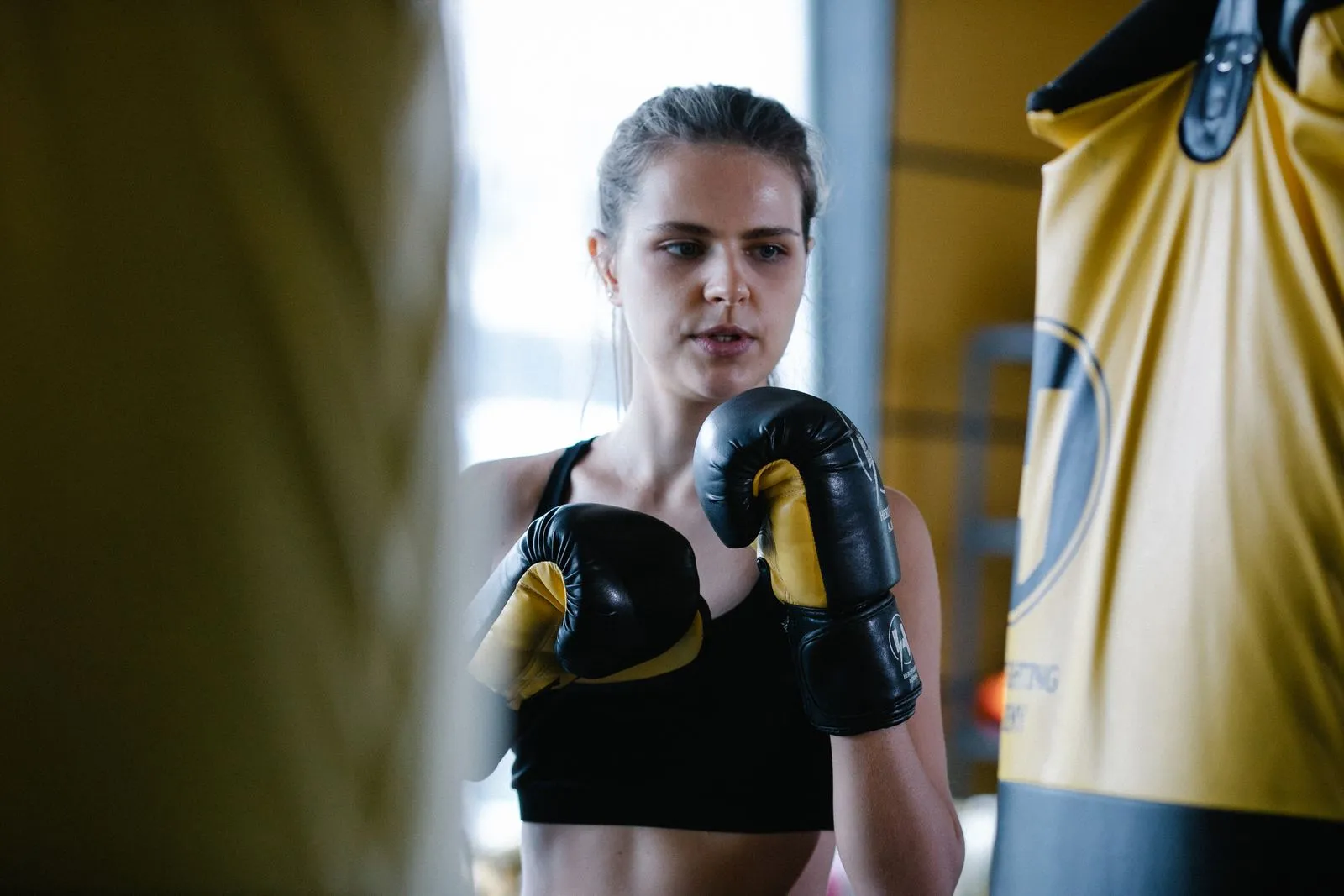
Boxing can give families a lively way to move, practice coordination, and learn new skills together. Getting started does not mean sparring or competing: many beginner programs focus on fitness, footwork, bag work, and basic technique. The right class depends on each family member’s age, experience, comfort, and health needs. Before signing up, ask how instruction is adapted for children and adults, what equipment is needed, and whether family members train together or in separate age groups.
Choose the Right Class
Look for a beginner class that matches each participant’s age and experience. Children benefit from clear instructions, shorter drills, frequent breaks, and activities that build balance and coordination. Adults may want more conditioning or technical practice. A family-friendly gym should explain how it groups participants and whether a parent can stay nearby during a child’s class.
Ask what “boxing” means in the program. Fitness classes may use shadowboxing, pads, or heavy bags without contact between participants. If sparring is offered, ask whether it is optional, how the gym assesses readiness, and what protective equipment and supervision are required. Families can start with non-contact training while they learn the basics.
Check Safety and Readiness
Before the first session, share relevant health concerns, injuries, or activity restrictions with the instructor. Ask whether the gym recommends medical guidance for anyone with a health condition or who is returning to exercise after a break. Children should have a parent or guardian handle registration and confirm the class’s age requirements.
A well-run beginner session should include a warm-up, demonstrations, coached practice, and a cool-down. Notice whether instructors correct technique patiently and keep the training area organized. Participants should be able to pause, drink water, and ask questions. No one should be pressured to hit harder, train through pain, or take part in contact drills before they are ready.
Prepare for Your First Visit
Wear comfortable workout clothes and athletic shoes suitable for the gym’s training surface. Bring water and ask in advance whether the gym provides gloves or requires participants to bring their own. If gloves are needed, get guidance on fit and hand wraps; poorly fitted gear can make practice uncomfortable and interfere with safe technique.
Arrive early enough to meet the instructor and review the class plan. Let children know they can watch a drill before joining, and agree on a simple signal they can use if they feel overwhelmed. Adults can set the same example by starting at a manageable pace. The goal for a first class is to learn what the session feels like, not to keep up with the most experienced participant.
Build a Routine Together
Choose a schedule that fits school, work, and recovery time. Family members do not need to attend every class together to share the experience: one person might take a youth class while another joins an adult session, then everyone can talk about what they practiced. If the gym offers a trial or introductory visit, use it to compare class formats before committing to a routine.
Keep progress focused on effort and skill, such as remembering a stance, improving balance, or completing a warm-up comfortably. Avoid comparing children with adults or one family member with another. After class, ask what felt fun, challenging, or unclear. Their answers can help you decide whether to continue, adjust the class level, or try a different format.
A good family boxing experience starts with age-appropriate coaching, clear safety practices, and room for each person to progress at their own pace. Ask questions, try a beginner session, and choose a schedule your household can maintain. Contact Naperville Family Boxing to ask about class options and what to bring for a first visit.