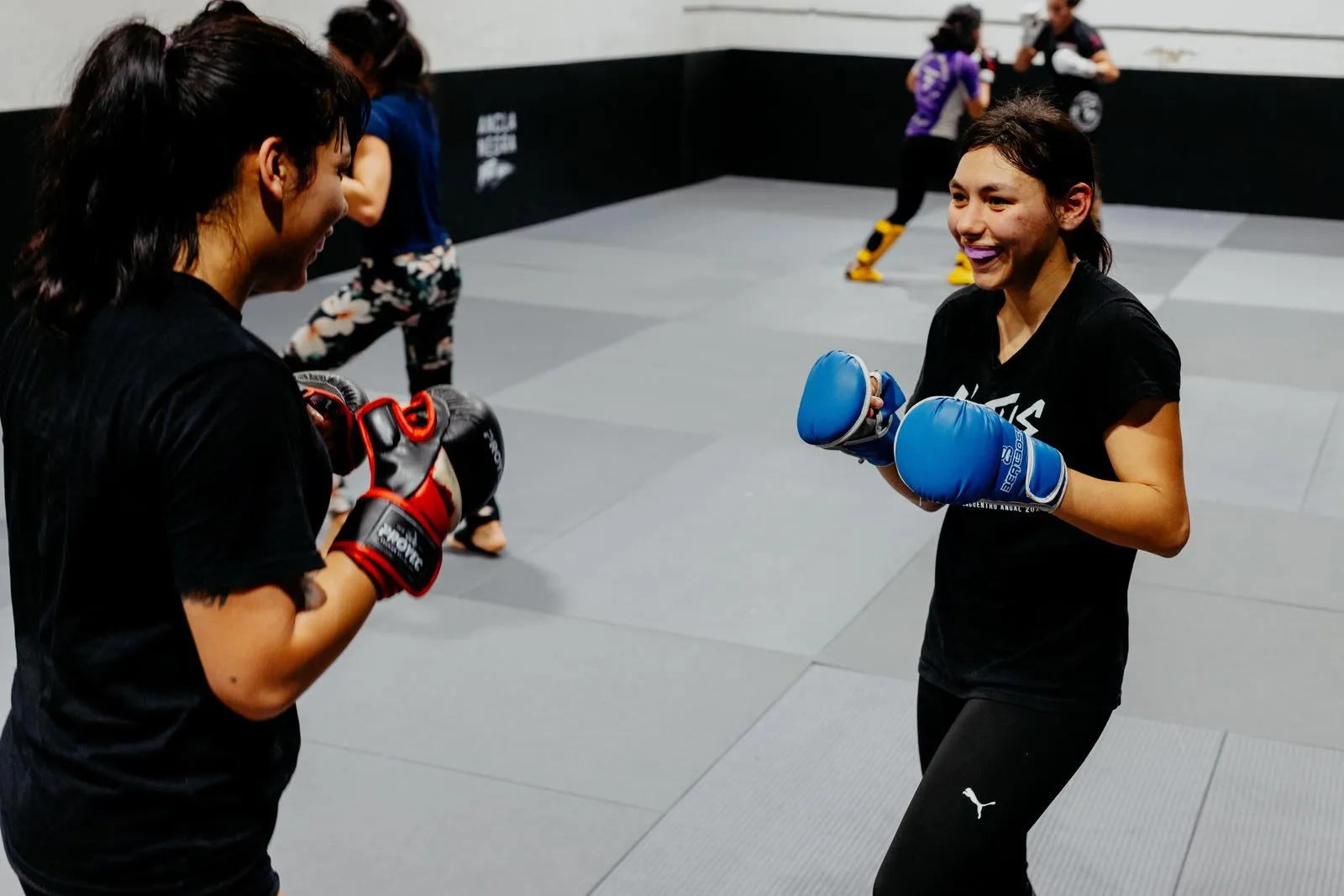
Walking into a boxing gym for the first time can feel unfamiliar, but you do not need experience to get started. A beginner class usually introduces basic movement and punches before adding short drills at a manageable pace. Bring comfortable workout clothes, water, and any equipment the gym asks you to use. Coaches can explain each activity, offer adjustments, and help you take breaks as needed. Knowing the basic flow can make your first visit feel more approachable.
What to Bring
Wear comfortable athletic clothes that let you move freely, along with clean athletic shoes if the gym permits them on its training floor. Bring a water bottle and a small towel. Tie back long hair and remove jewelry that could catch during movement. Arrive a little early so you can check in, ask where to put your belongings, and let the coach know you are new.
Ask the gym ahead of time whether you need hand wraps or gloves. Some gyms provide loaner gloves for a first class; others expect you to bring your own. If you have wraps, bring them and ask a coach to show you how to put them on securely. Do not buy specialized gear until you know what the gym recommends and what you plan to use regularly.
How a Beginner Class Works
A class often starts with a brief welcome and warm-up, such as light movement, mobility work, or simple conditioning. The coach may then demonstrate a boxing stance, basic footwork, and a few punches. You will typically practice slowly before trying combinations, so focus on the instructions rather than speed or power.
Next, you may work through short drills with a partner, a coach holding pads, or a punching bag, depending on the class setup. Some sessions include bodyweight exercises or rounds that alternate between movement and rest. You do not have to keep pace with experienced members. Follow the coach’s cues, take water breaks when needed, and say so if an exercise feels uncomfortable.
How Coaches Help You Settle In
A good coach makes the first session easier to follow by explaining the plan, showing techniques from more than one angle, and breaking movements into small steps. They can correct your stance or hand position without expecting you to get everything right at once. Tell the coach about any injuries, movement limits, or concerns before class so they can suggest appropriate adjustments.
You can ask questions at any point, request another demonstration, or pause when you need a moment. Coaches may pair beginners with a suitable partner or offer a lower-impact version of a drill. At Naperville Family Boxing, let the team know it is your first class when you arrive so they can explain what to expect and help you find your starting pace.
A Few Tips for Your First Visit
Keep your first goal simple: learn the basic stance, listen to the coach, and notice how your body responds. Boxing combines coordination and effort, so it is normal to feel unsure while learning a new movement. Start controlled rather than trying to hit hard, and stop if you feel sharp pain, dizziness, or unusual shortness of breath.
After class, ask which skills to practice and what equipment you will need for the next session. Drink water, give yourself time to cool down, and note any questions you want to bring back. Your comfort and progress matter more than matching anyone else’s pace, and each class gives you another chance to build familiarity.
Your first boxing class is a chance to learn the basics, meet the coach, and find a pace that feels manageable. Bring simple workout essentials, communicate what you need, and ask questions along the way. If you are ready to try a beginner-friendly session, contact a local gym to ask about its class format and equipment.